

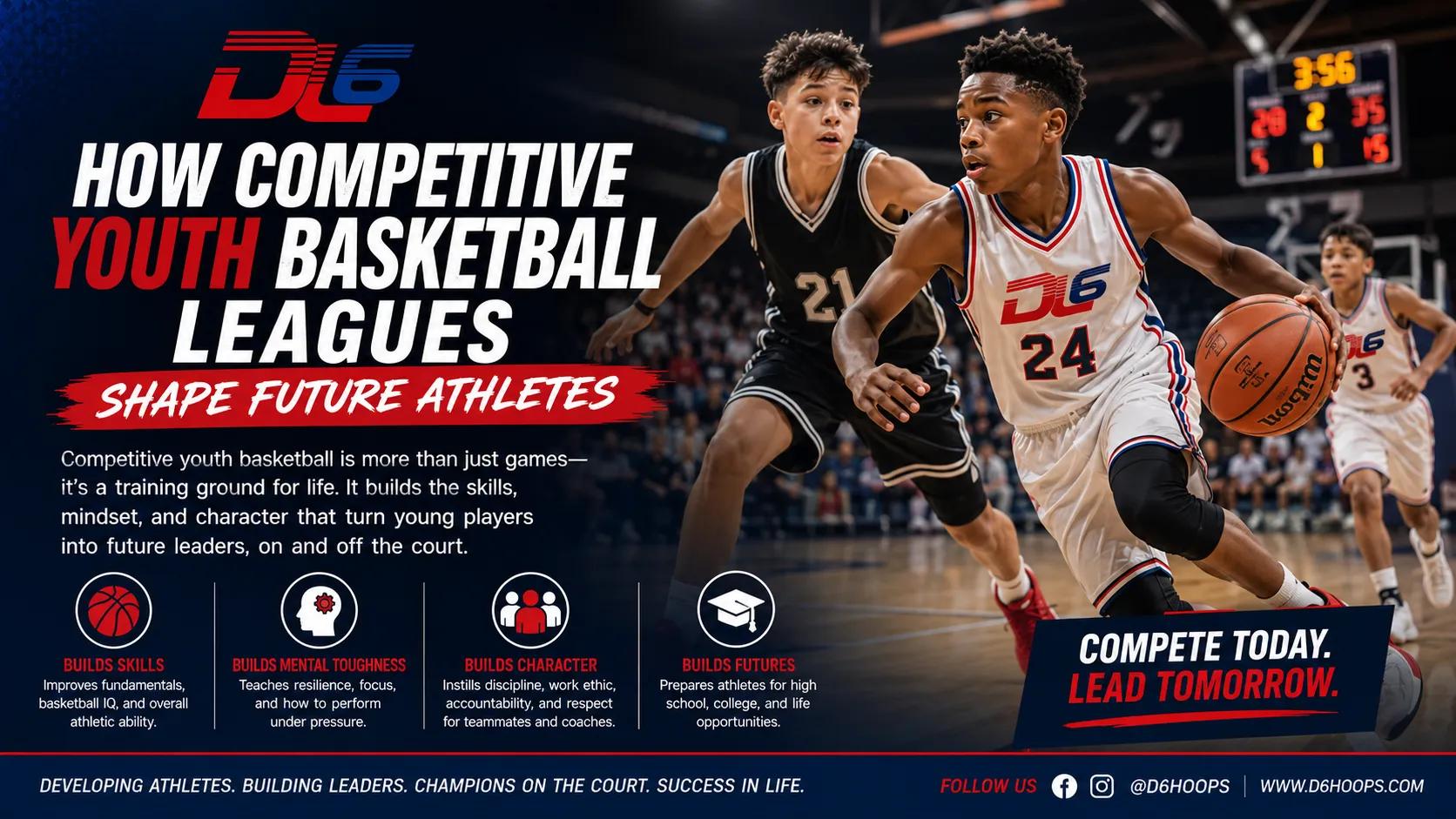
Stepping onto a competitive court at a young age often changes how an athlete sees the game. It is not just about scoring points or winning games. It is about learning discipline, teamwork, and resilience over time. Platforms like ETL basketball create structured environments where young athletes start to understand what real competition feels like and how it shapes their journey.
Building Strong Fundamentals Early
Every athlete needs a solid foundation, and competitive leagues provide exactly that. Players train with intent, refine their techniques, and start to understand game dynamics in a deeper way. These early experiences shape muscle memory and decision making on the court.
Leagues such as INC basketball introduce athletes to structured play, where rules, timing, and positioning matter just as much as skill. This environment encourages consistency, which young players need to grow.
Learning Discipline Beyond Practice
Training sessions matter, yet competition adds a different layer of discipline. Players start to manage time, balance school and sports, and commit to regular improvement. This kind of routine builds habits that extend far beyond the court.
Exposure to setups like ETL basketball pushes athletes to stay accountable. When games are scheduled and performance is visible, players naturally raise their level of focus and preparation.
Developing Mental Toughness
Sports often test the mind as much as the body. Close games, tough losses, and high expectations teach athletes how to handle pressure. Over time, they learn to stay composed and bounce back stronger.
In competitive circuits such as INC basketball, athletes face varied opponents and unpredictable situations. This constant challenge helps them adapt quickly and think clearly during critical moments.
Encouraging Teamwork and Communication
Basketball is never a solo effort. Players need to communicate, trust teammates, and work toward a shared goal. Competitive leagues reinforce these values through real game scenarios.
Programs like ETL basketball emphasize team play, where success depends on coordination and mutual understanding. Athletes learn when to lead and when to support, which shapes their overall character.
Exposure to Real Competition
Practice builds skill, yet games reveal true ability. Competitive leagues provide exposure to different playing styles, strategies, and levels of intensity. This exposure prepares athletes for higher levels of the sport.
Through platforms such as INC basketball, players experience diverse competition that challenges their limits. Facing strong opponents helps them identify areas that need improvement.
Building Confidence Through Performance
Confidence grows when athletes see progress in real situations. Performing well in games reinforces belief in their abilities. Even setbacks contribute to growth when handled correctly.
Participation in leagues like ETL basketball gives athletes regular opportunities to test themselves. Each game becomes a learning experience that builds confidence over time.
Creating Pathways for Future Opportunities
Competitive youth leagues often act as stepping stones for advanced opportunities. Scouts, coaches, and mentors observe performances and identify potential talent.
Engagement in INC basketball increases visibility for athletes who aim to move into higher levels of competition. Consistent performance in such leagues often opens new doors.
Balancing Competition and Enjoyment
While competition drives growth, enjoyment keeps athletes engaged. A balanced environment ensures that players stay motivated and continue to develop without burnout.
Leagues such as ETL basketball often create spaces where athletes enjoy the game while still pushing their limits. This balance plays a key role in long term development.
Conclusion
Competitive youth basketball leagues shape athletes in ways that go far beyond physical skills. They build discipline, confidence, and resilience while preparing players for future challenges. Experiences gained through platforms like ETL basketball stay with athletes, influencing not just how they play, but how they approach life.